
San Diego Death Records
Deaths that happen in San Diego are recorded by San Diego County. The city does not keep its own death records. San Diego County Assessor Recorder County Clerk handles all death certificates for anyone who died within San Diego city limits. Most people just call it the ARCC office. That stands for Assessor, Recorder, County Clerk. You can order a death certificate in person, by mail, or through VitalChek online. The fee is $26 per copy as of January 2026. Records are ready about three weeks after a death occurs. San Diego is the largest city in the county and most requests go through the main county office downtown. You need to show you are an authorized person to get a certified copy, or you can ask for an informational copy without that requirement.
San Diego Death Records Overview
San Diego County Records Office
San Diego County ARCC is the main place to get death records for deaths in San Diego. The office is at 1600 Pacific Highway in downtown San Diego. This is the County Administration Center building. Walk in service is available Monday through Friday from 8 a.m. to 5 p.m. No appointment needed. Bring a valid photo ID and information about the deceased. Staff process requests at the counter. If you need an authorized copy, you must fill out a sworn statement at the office. A notary is available on site at no extra charge during business hours. This saves you from getting your form notarized somewhere else.
The County Administration Center sits right off the freeway near the airport. Take Interstate 5 and exit at Hawthorne Street. Parking is in the structure next to the building. First hour is free. After that it costs a few dollars. Street parking around the area has meters and time limits. Most people use the garage because it is easy to find a spot. The building has security screening at the entrance. Allow a few extra minutes to go through that when you visit.
For death records from other parts of San Diego County, the same office handles those too. It does not matter if the death happened in La Jolla, Pacific Beach, Rancho Bernardo, or any neighborhood. All San Diego city deaths go to the county. The San Diego County death records page has more details about how the county system works and what other cities they serve.
You can call the office at (619) 237-0502 if you have questions before you go. Staff can tell you if a record is ready yet or if you need to wait longer. They cannot give you information about the deceased over the phone due to privacy rules. Email goes to ARCCRecorderCountyClerk.FGG@sdcounty.ca.gov. Response time for emails is usually a day or two. Most people find it faster to just visit in person if they live in San Diego.
How San Diego Death Records Work
When someone dies in San Diego, a doctor or coroner signs the death certificate. That document goes to San Diego County Public Health. They register the death and create the official record. After that, the information transfers to the ARCC office. This whole process takes about three weeks. Sometimes it goes faster, sometimes slower. It depends on how quickly the doctor signs and returns the paperwork. If an autopsy is needed, that can add more time. The county tells people to wait three weeks before trying to order a copy.
Deaths at San Diego hospitals like UCSD Medical Center, Sharp Memorial, or Scripps Mercy are all recorded the same way. The hospital reports the death to the county. Location of death matters, not where the person lived. If someone lived in San Diego but died in another city or county, that other place keeps the record. You would need to contact them instead. Funeral homes in San Diego usually know which office to direct families to based on where the death occurred.
The county has death records for San Diego going back to 1850. Older records from the 1800s and early 1900s may not be as complete. Some were lost over time. But most deaths from 1900 forward are in the county system. You can request copies of very old death certificates the same way as recent ones. The fee is the same no matter how old the record is. Processing might take longer for historical records because staff have to search older files that are not digitized.
Steps to Get a Death Certificate
Start by gathering information about the deceased. You need their full legal name as it appears on the death certificate. Middle name helps but is not always required. Date of death is important. If you do not know the exact date, give the month and year. The county can search within a range. Place of death should be San Diego or a specific hospital or address in the city. The more details you have, the easier the search.
Next, decide if you need an authorized copy or an informational copy. Authorized copies are fully certified and work for legal purposes like closing bank accounts, claiming life insurance, or settling an estate. You must be an immediate family member or other authorized person under California law to get this type. The law lists who qualifies. It includes spouses, children, parents, siblings, grandparents, grandchildren, and a few other categories. Attorneys for the estate also qualify. If you are not in one of those groups, you can still get an informational copy. That copy shows the same information but has a watermark that says it cannot be used to establish identity. Many people doing genealogy research ask for informational copies.
Download the application form from the San Diego County death certificate page. Fill it out completely. Write your name, address, phone number, and relationship to the deceased. Indicate how many copies you want. Each copy costs $26. Sign and date the form. If you are requesting an authorized copy, you need to sign a sworn statement under penalty of perjury. This statement says you are legally allowed to get the record. When you visit in person, county staff have notaries available to witness your signature on the sworn statement. That service is free.
For in person requests, take your completed form, photo ID, and payment to the ARCC office at 1600 Pacific Highway. Staff will process your request while you wait. If the record is found, you get your copy right away. This usually takes 15 to 30 minutes depending on how busy they are. Morning hours tend to be less crowded than lunch time. Payment can be cash, check, money order, or credit card. Credit cards may have a small convenience fee. Make checks payable to County of San Diego.
For mail requests, send your completed form, notarized sworn statement if needed, and payment to P.O. Box 121750, San Diego, CA 92112-1750. Do not send cash by mail. Use a check or money order. Write the name of the deceased on the check memo line. Include a note with your phone number in case staff need to contact you. Mail orders take about two to three weeks to process and return to you. If you are in a hurry, visit in person instead.
Note: San Diego County also offers online ordering through VitalChek, but fees are higher with that service.
VitalChek Online Option
You can order San Diego death certificates online through VitalChek. That company partners with California counties to provide web based ordering. The base fee is still $26, but VitalChek adds service fees on top. Total cost ends up around $45 to $50 depending on shipping. Some people use it for convenience even though it costs more. Others prefer to order directly from the county to avoid the extra charges.
VitalChek requires you to create an account and upload a copy of your ID. You fill out the request online and pay by credit card. Processing time is about the same as mail orders. Shipping options include regular mail, FedEx, or overnight. Express shipping adds another $20 or more to the cost. If you choose regular mail through VitalChek, it takes just as long as ordering directly from the county and costs more. Most people only use VitalChek when they need fast shipping and cannot visit the office in person.
The county does not endorse or recommend VitalChek over direct ordering. They mention it as an option on their website. If you want to save money, order in person or by mail directly from the ARCC office. If you live far from San Diego and need the certificate quickly, VitalChek might make sense. Compare the total cost before you decide which method to use.
Old Death Records in San Diego
San Diego County has death records dating back to the 1850s when California became a state. Records from that era are handwritten and stored in the county archives. Not all early deaths were recorded. Rural areas and informal burials often went undocumented. By the early 1900s, death registration became more consistent. Modern vital records systems started in 1905 when California passed laws requiring all deaths to be reported. San Diego records from 1905 forward are fairly complete.
If you need a death certificate from before 1920, expect the search to take longer. Older files are not all digitized. Staff may need to search microfilm or paper archives. The county charges the same $26 fee even for these historical searches. If no record is found, they issue a letter stating that. The letter does not cost extra. Some people research San Diego family history by ordering multiple old death certificates for relatives who lived here generations ago. Each request is separate and costs $26.
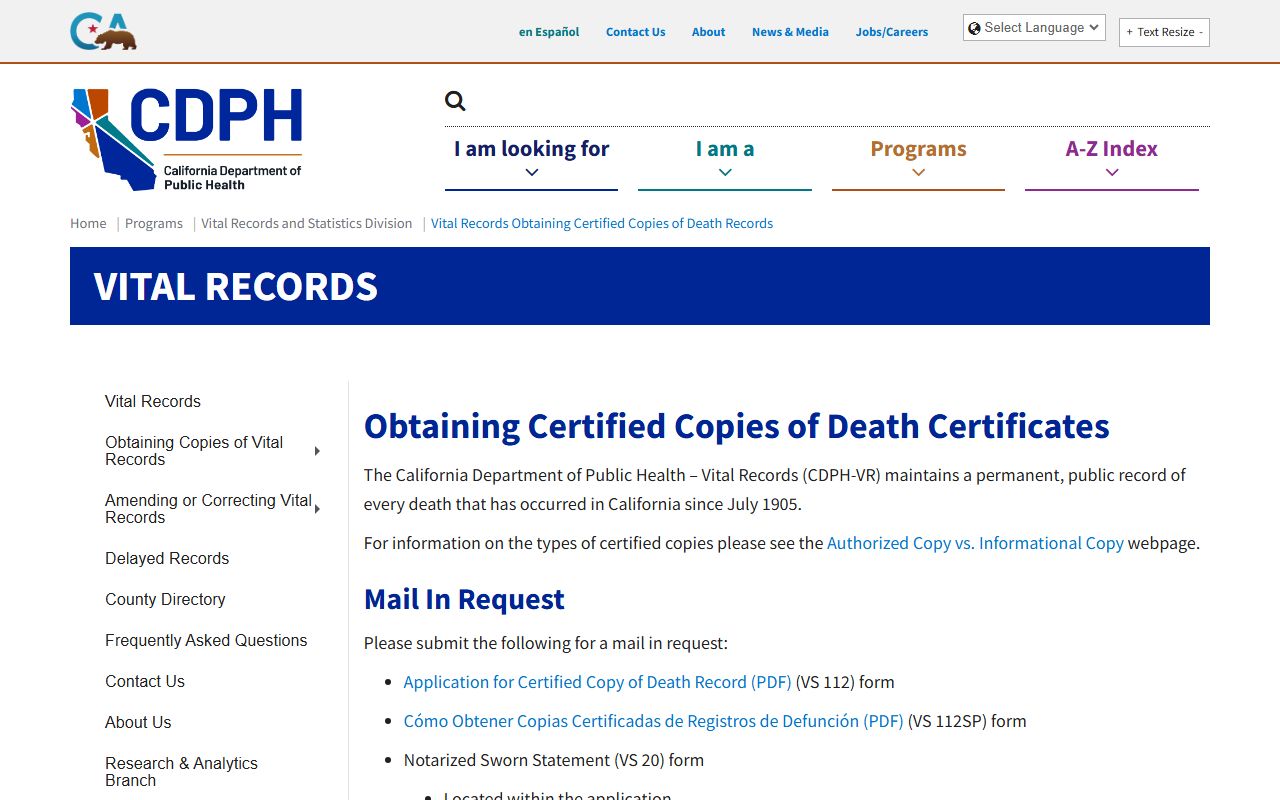
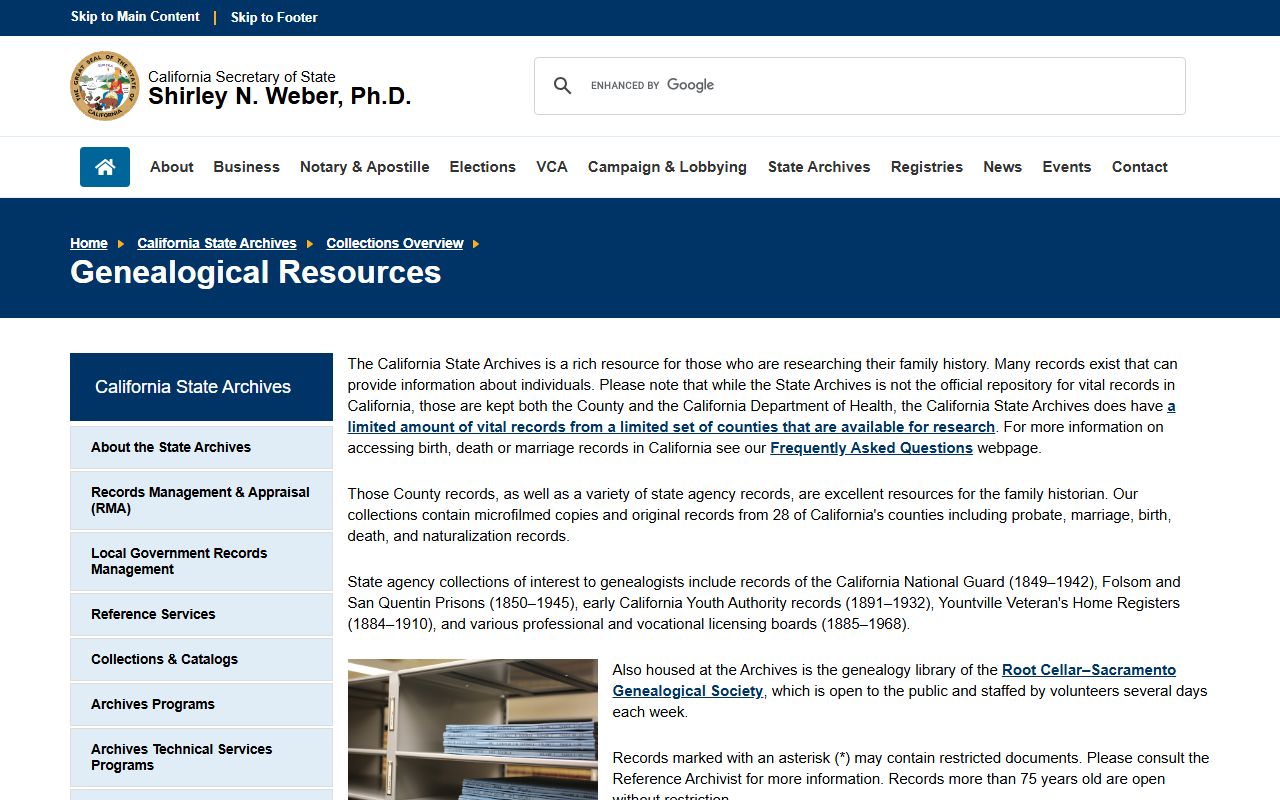
The California State Archives in Sacramento also has copies of old vital records on microfilm. You can visit the archives or order through FamilySearch or other genealogy services. The State Archives family history resources page explains how to access those records. For San Diego deaths, the county office is still your main source. But if the county cannot find a very old record, checking the state archives might help fill in gaps.
Who Can Get Death Certificates
California controls who can get certified death certificates. The law is strict to protect privacy. Only certain people qualify as authorized persons. That list includes the spouse or domestic partner of the deceased. It includes children, parents, grandparents, and grandchildren. Brothers and sisters also qualify. If the person who died was a minor, the legal guardian can request the certificate. Attorneys representing the estate of the deceased can get copies. So can funeral directors and others with a direct interest in the record for legal purposes.
If you do not fit into one of those categories, you cannot get an authorized copy. But you can still get an informational copy. That version shows all the same data. It just has a stamp that limits how it can be used. Most agencies will not accept informational copies for official business. Insurance companies, banks, and courts want authorized copies. For family history or personal records, an informational copy works fine. The fee is the same either way. San Diego County issues the type you ask for as long as you meet the requirements.
The law that controls this is California Health and Safety Code Section 103526. That statute defines authorized persons and explains what rights they have. It also covers how long records remain restricted. In California, death records stay restricted forever. There is no time when they become fully public. Even records from the 1800s still require you to prove a relationship or accept an informational copy. This differs from some other states where old death records become public after 50 or 75 years.
Cost and Wait Times
The fee for a San Diego County death certificate is $26. That price went up on January 1, 2026 due to a state law called Assembly Bill 64. Before that, the fee was $24. All California counties charge the same base fee for death certificates. It is set by the state, not by each county. Additional copies ordered at the same time may cost less. Ask when you place your order if you need more than one copy. Most people need several copies to send to different agencies.
Processing time depends on how you order. In person requests are done while you wait. That takes 15 to 30 minutes. Mail orders take two to three weeks from the day the county receives your request. Online orders through VitalChek take about the same time as mail unless you pay for expedited shipping. If the death happened very recently, the record might not be ready yet. The county says to allow three weeks after the date of death before you try to order. If you order too soon, they cannot process the request and you might have to reapply later.
If the county cannot find a record based on the information you provide, they issue a letter of no record. You still pay the $26 fee. The letter confirms that they searched and did not find a match. This might mean the death happened in a different county or the information you gave was incorrect. Double check the spelling of the name and the date of death. Sometimes people mix up similar names or remember dates wrong. If you realize you gave the wrong info, you can submit a new request with corrected details.
Other San Diego County Cities
San Diego County ARCC handles death records for all cities in the county. If someone died in Chula Vista, Oceanside, Escondido, Carlsbad, El Cajon, or San Marcos, you still order from the same county office. Those cities do not maintain their own vital records. Everything goes through the county system. The process is the same no matter which city the death occurred in. Use the same forms and pay the same fees.
Smaller towns in San Diego County like Encinitas, La Mesa, National City, and Vista also fall under the county office. Even unincorporated areas use the same system. As long as the death happened within San Diego County boundaries, the ARCC office at 1600 Pacific Highway is where you go. If you are not sure whether a location is in San Diego County, call the office at (619) 237-0502. Staff can confirm whether they have jurisdiction before you submit your request.