
Find California Obituary Records
California death records and obituaries are kept by state and county agencies across the state. The California Department of Public Health has records from July 1905 to now. Each of California's 58 counties maintains death certificates for events in that county. You can search these records online or request copies by mail or in person. Free databases and paid services both offer ways to find California obituary information for family history and legal needs.
California Death Records Quick Facts
Where to Get California Death Certificates
The California Department of Public Health maintains death records for the entire state. They have kept these records since July 1, 1905. You can order a death certificate from the state office by mail, online, or in person. The state office is in Sacramento. For deaths before 1905, you must contact the county where the death took place. County recorders have older records that go back to the 1850s in many areas.
Each county recorder also issues death certificates for deaths in that county. This can be faster than using the state. If you know which county the person died in, go to that county's recorder office. Most counties in California process requests in one to three weeks. Some offer same day service if you visit in person. The fee is the same at both state and county level.
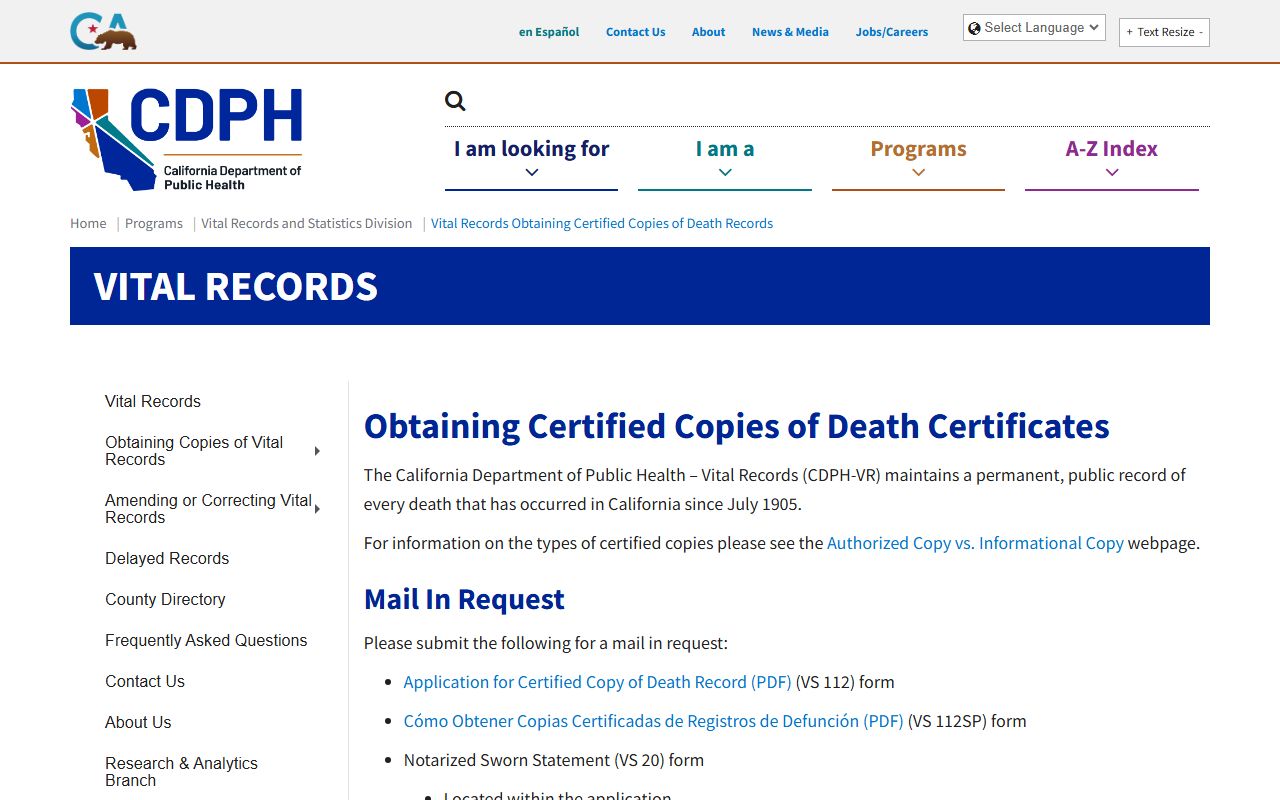
The California Department of Public Health Vital Records office handles all state level requests. They charge $26 per copy as of January 1, 2026. You can send a mail request to P.O. Box 997410, Sacramento, CA 95899-7410. Processing takes about 15 business days. Phone orders are not accepted, but you can call (916) 445-2684 with questions during business hours Monday through Friday.
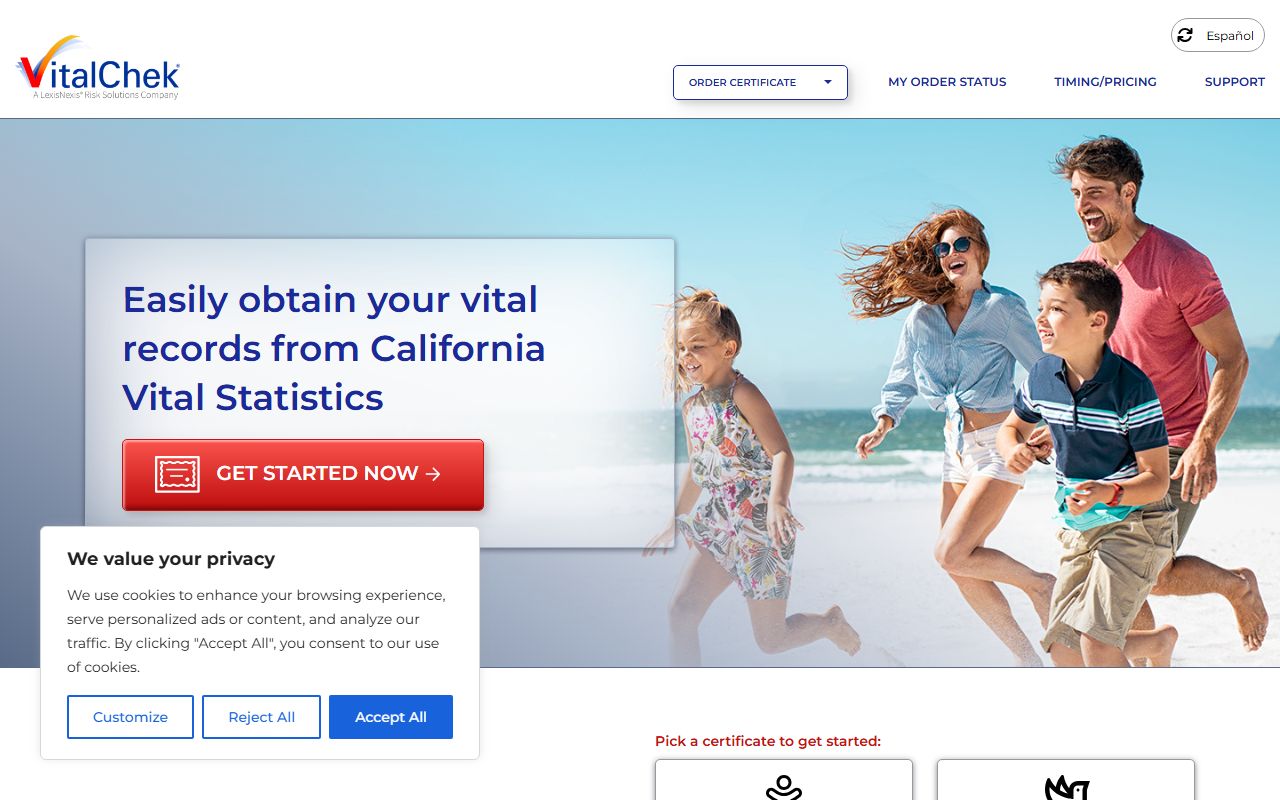
For faster service, use the online option. The state partners with VitalChek for electronic orders. VitalChek adds a service fee of about $13 on top of the $26 state fee. Expedited shipping costs extra. You need a credit card and basic info about the deceased. Most orders process within a few days when you use this method.
Note: Always confirm which county the death occurred in before ordering to save time and money.
Authorized Copies vs Informational Copies
California issues two types of death certificate copies. An authorized copy is a certified document you can use for legal purposes. Banks, insurance companies, and government agencies accept authorized copies. To get one, you must be an authorized person under California law. This includes family members like a spouse, child, parent, sibling, grandparent, or grandchild. An attorney for the estate or a funeral director can also request authorized copies. You must provide a notarized sworn statement proving your relationship to the deceased.
An informational copy shows the same data but has a watermark that says it cannot be used to establish identity. Anyone can get an informational copy without proving a relationship. No notarized statement is needed. These copies work well for genealogy research or personal records. Most agencies will not accept informational copies for legal matters. The fee is the same for both types.
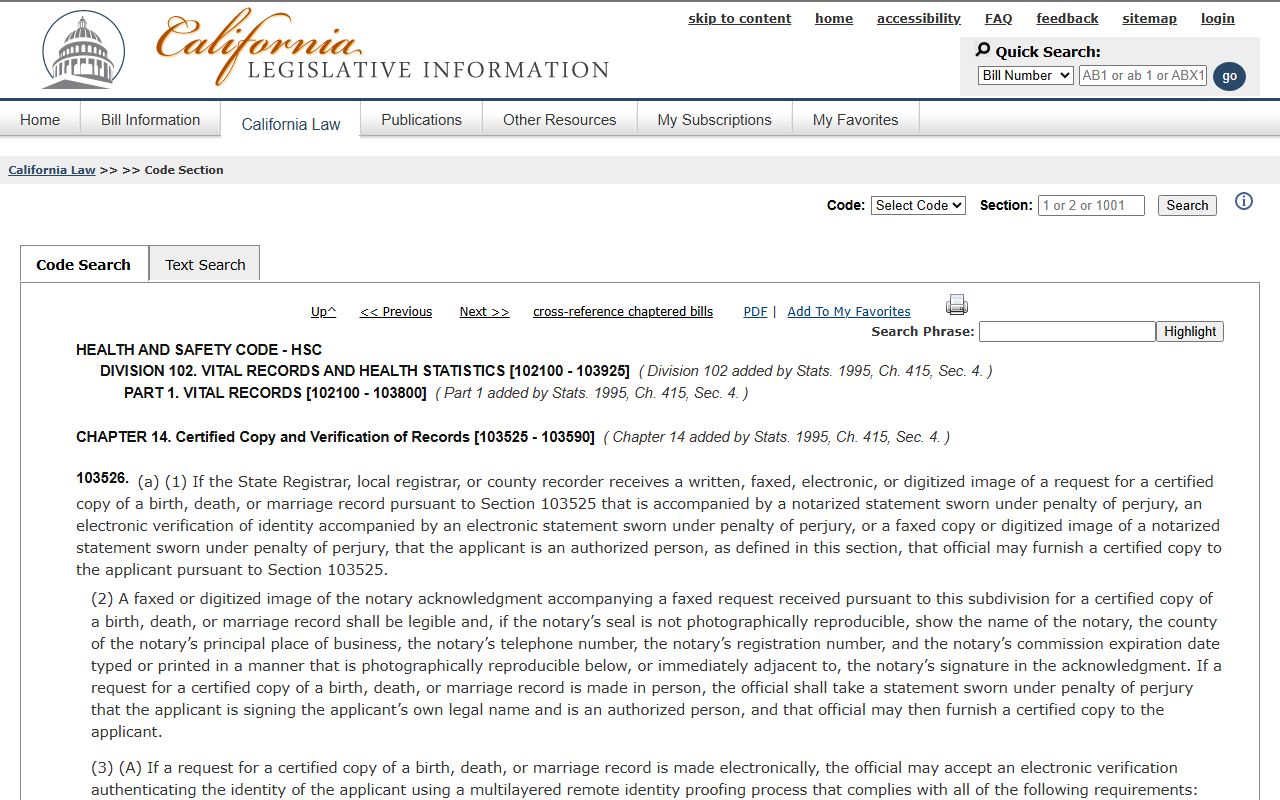
The law that defines who can get authorized copies is California Health and Safety Code Section 103526. This statute lists all authorized persons. It also explains the notarized statement requirement. If you request an authorized copy but do not qualify, you will receive an informational copy instead. The agency keeps your fee even if they cannot locate the record.
Free Online Death Records for California
Several free databases let you search California death records online. These are indexes, not official certificates. You can find names, dates, and other details. They help you locate records before ordering copies. FamilySearch offers two main California death indexes. The first covers 1905 to 1939. The second covers 1940 to 1997. Both are free to search.
Visit FamilySearch California Death Index 1905-1939 for early records. For later records, use FamilySearch California Death Index 1940-1997. These indexes show the name, date of death, age, and county. Some entries include parents' names or spouse information. No images of actual certificates are available through these free indexes.
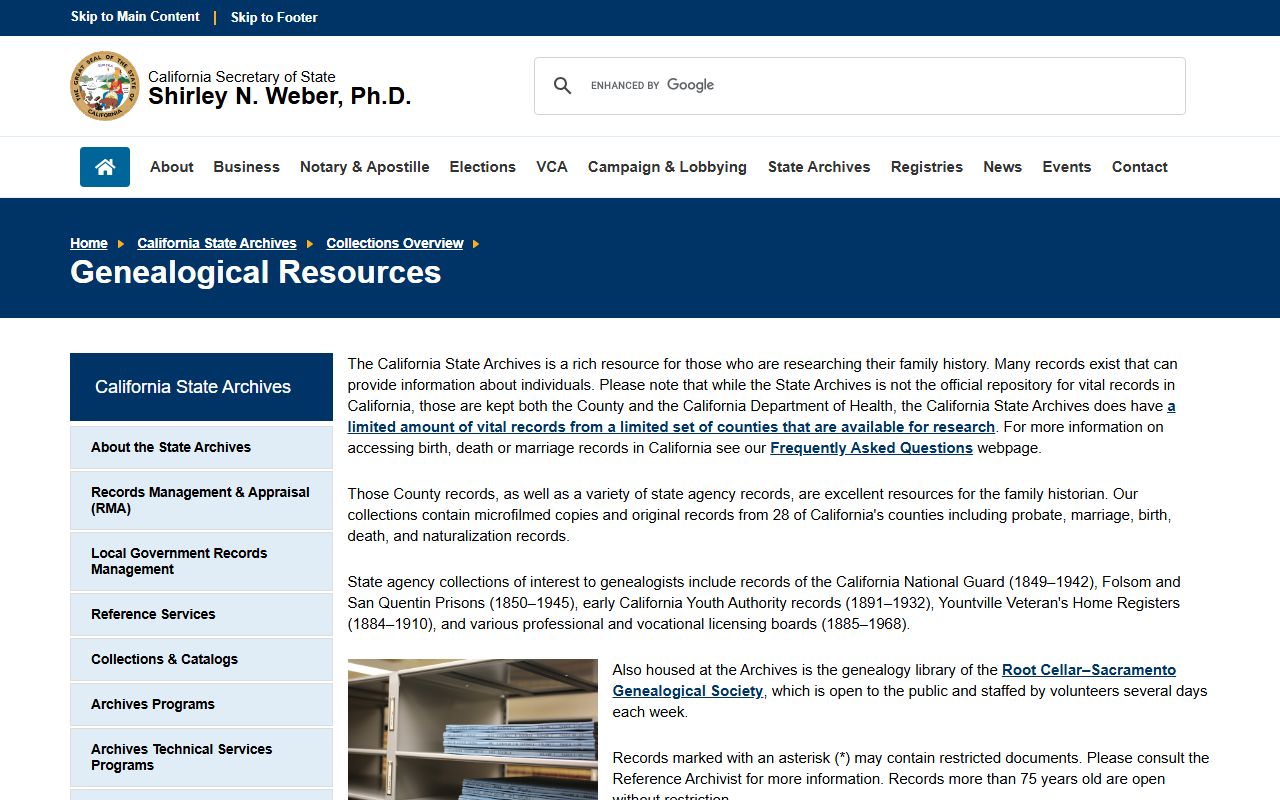
The California State Archives also has some death records available for research. Visit their family history resources page to learn what is in their collection. They have microfilmed copies from 28 counties. Records more than 75 years old are open without restriction. Newer records may have access limits. You can visit the archives in person at 1500 11th Street in Sacramento or call (916) 653-6814.
Note: Free databases do not provide certified copies, only search results to help you find records.
County Level Death Records in California
All 58 counties in California maintain their own death records. The county recorder or county clerk handles these records. Each county can only issue certificates for deaths that happened in that county. If you know the county, contact them directly. This is often faster than going through the state office. Some counties offer online ordering through their own websites or through VitalChek.
Fees vary slightly by county but most charge $26 per copy to match the state fee. A few counties charge $28. Processing times range from same day for in person requests to several weeks for mail orders. Los Angeles County, for example, takes up to 20 business days for mail requests. Smaller counties may process orders faster. Call ahead to ask about current wait times and fees.
Recent deaths may not be available right away. Most counties receive death certificates from the local health department about four to six weeks after the death. If you need a very recent death certificate, contact the county health department vital statistics office instead of the county recorder. Three California cities have their own health departments that issue death certificates: Long Beach, Pasadena, and Berkeley.
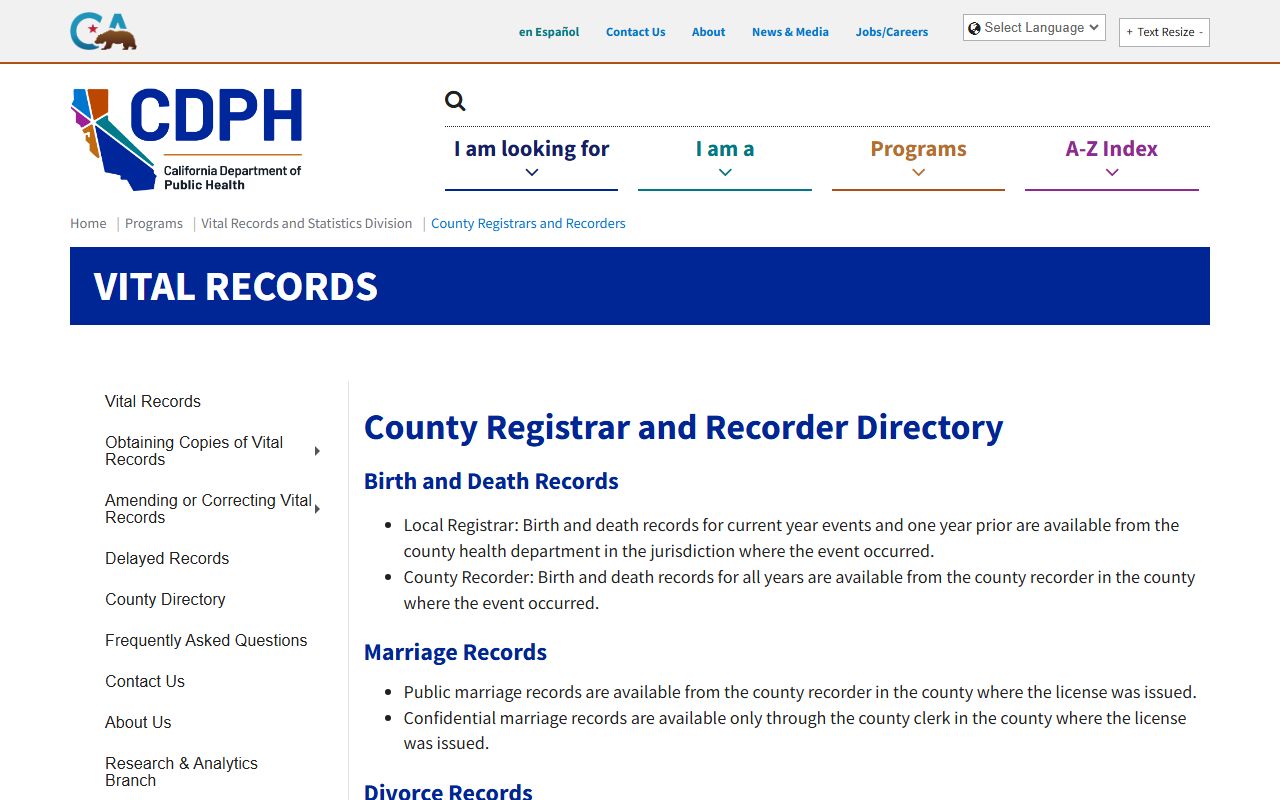
The California Department of Public Health maintains a directory of all county vital records offices. This page lists addresses, phone numbers, and hours for each county. Use this to find the right office for the county you need. Many counties also have satellite offices in different cities within the county for added convenience.
Death Certificate Fees in California
As of January 1, 2026, death certificates cost $26 per copy in California. This fee went up $2 due to Assembly Bill 64 passed in 2025. The fee is the same whether you order from the state or from a county office. This is a search fee plus the cost of one copy. If the record is not found, you do not get a refund. The agency issues a Certificate of No Public Record instead.
Additional copies ordered at the same time cost less. Some counties offer discounts for multiple copies on one order. VitalChek charges extra service fees when you order online. Expect to pay about $13 more for their processing. Expedited shipping adds another $19 or more depending on how fast you need it. Standard mail through VitalChek costs around $7 extra.
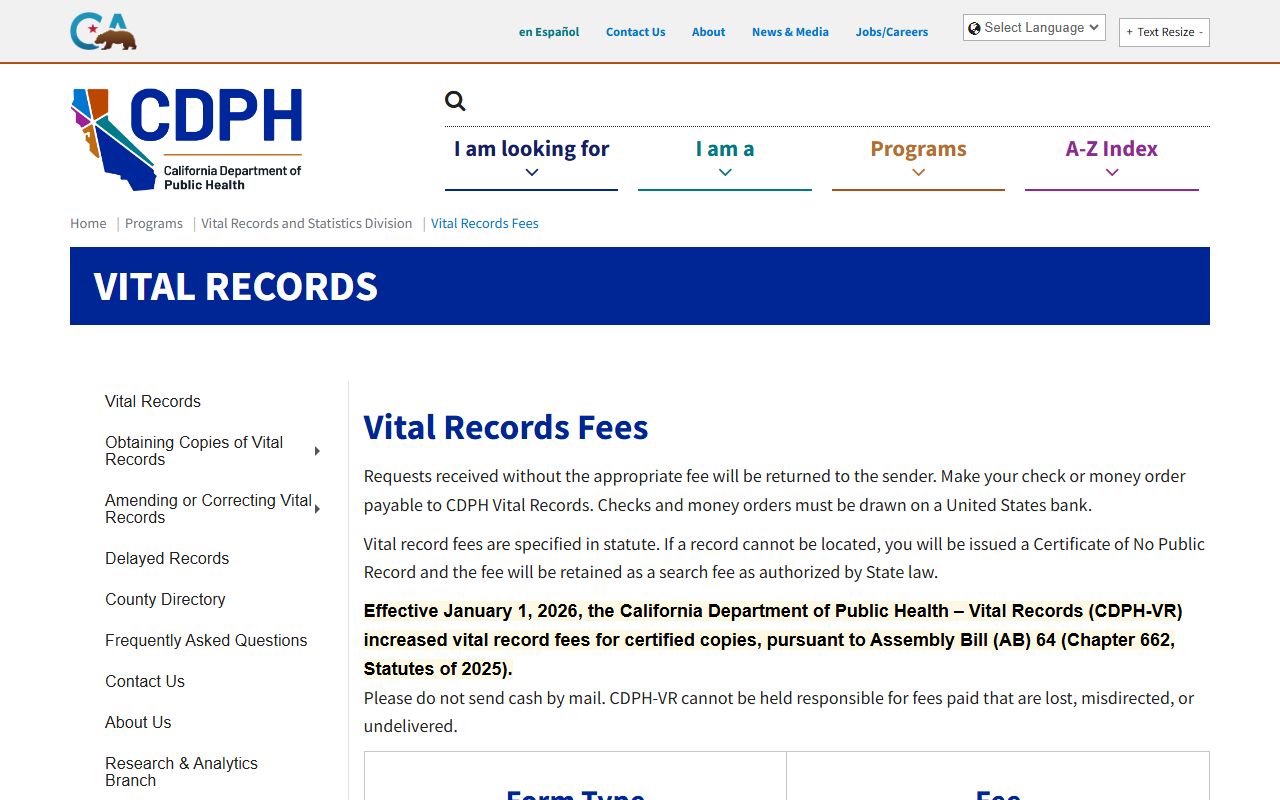
Do not send cash by mail. Use a check or money order made out to CDPH Vital Records for state orders. Each county has its own payee name for county orders. Credit cards are accepted online and at some county offices in person. Some counties charge a small convenience fee for credit card payments. Personal checks may have a hold period of up to 15 business days before your order is processed.
California Death Certificate Laws
California law requires a death certificate for every death in the state. The funeral director or person handling the body must file the certificate with the local registrar. This must happen within a set time. The attending physician or coroner completes the medical section. They have 15 hours after the death to fill this out, or three days if the coroner is involved. The local registrar then sends a copy to the state.
Health and Safety Code Section 102875 defines what must be on a death certificate. It includes the person's full name, sex, race, date of birth, age at death, and usual residence. The certificate also shows the date, time, place, and cause of death. California allows the gender identity of the deceased to be recorded as female, male, or nonbinary. This changed in recent years to reflect gender identity rather than only biological sex at birth.
Death records become public records once filed. California's public records law lets anyone request copies. There are no restrictions on who can get an informational copy. Only authorized persons can get a certified authorized copy. Financial account numbers and some details about minor children may be redacted from public copies for privacy.
For historical records, the CDC Where to Write for Vital Records page provides guidance on California death records. It confirms the state office has maintained records since July 1905. Earlier records are only available from counties. This federal page also explains the notarized statement requirement for authorized copies.
Steps to Order a California Death Certificate
First, gather the information you need. You must know the full name of the deceased. The date of death or approximate year helps speed the search. Knowing the county where the death occurred is very helpful but not always required. If you are requesting an authorized copy, prepare a notarized sworn statement. This statement must say you are an authorized person under the law. Sign it in front of a notary before you submit your request.
Download the Application for Certified Copy of Death Record form VS 112 from the state website. Fill it out completely. Include your contact information, relationship to the deceased, and how many copies you want. If ordering by mail, include your payment and the notarized statement if needed. Mail everything to the address on the form.
For online orders, go to the VitalChek website and follow the prompts. You will enter the same information online. Upload a scanned copy of your notarized statement if you need an authorized copy. Choose your shipping method and pay with a credit card. VitalChek will process your order and send it to the state or county office. They email you a confirmation and tracking number.
If you visit a county recorder in person, bring a photo ID and the required information about the deceased. Some counties require appointments for vital records. Call ahead to check. Staff will help you fill out a request form. You can get copies while you wait at many county offices if the record is from 1960 or later. Older records may take a few days as they are stored offsite at some locations.
Using Death Records for Genealogy Research
Death records are key sources for family history research. They provide dates, places, and names of relatives. Informational copies work well for genealogy since you do not need to prove a relationship. Indexes on FamilySearch and other sites let you search for free before ordering copies. Many genealogists use these to build family trees and verify information from other sources.
California has strong genealogy resources beyond just state databases. The California State Archives holds vital records from 28 counties. These include death records dating back over 100 years. Local historical societies and libraries also keep obituary collections and death notices. Newspapers published obituaries long before states kept official records. These can fill gaps for deaths before 1905.
For deaths in the 1800s, check with the county where the person died. Some counties have records back to the 1850s or 1860s. These early records may be on microfilm or in digitized archives. The Genealogical Society of Utah microfilmed many California county records. You can view these films at Family History Centers or order them online through FamilySearch.
Browse Death Records by California County
Each county in California maintains death certificates for deaths in that county. Choose a county below to find contact details, fees, and how to request records from that county recorder or clerk office.
Death Records in California Cities
Most California cities do not issue death certificates. Residents must contact their county recorder. Three cities have independent health departments that maintain recent death records. These cities can issue certificates for deaths within their city limits.